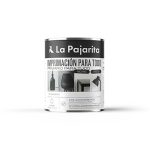
When you're tackling a DIY project or restoring a piece of furniture, it's tempting to skip steps and go straight to painting. One of the most overlooked steps is priming, yet it's one of the most important. Using it (or not) can make all the difference between a beautiful finish that lasts for years and one that deteriorates quickly.
Primer isn't paint, but it's the base that makes everything else work better.

What is primer and what is it really used for?
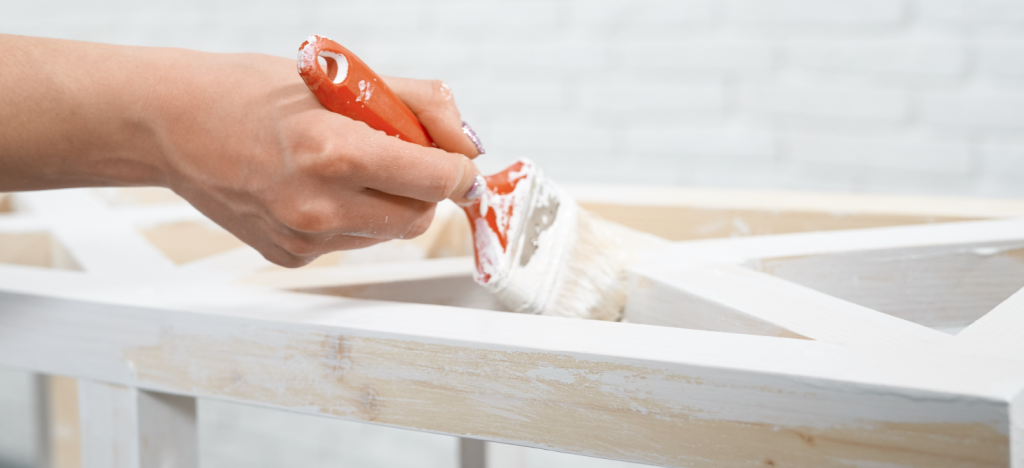
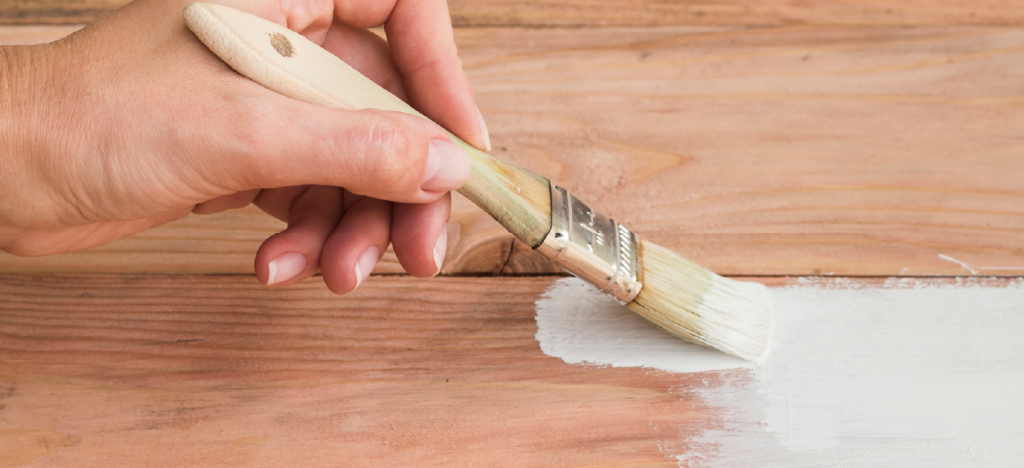
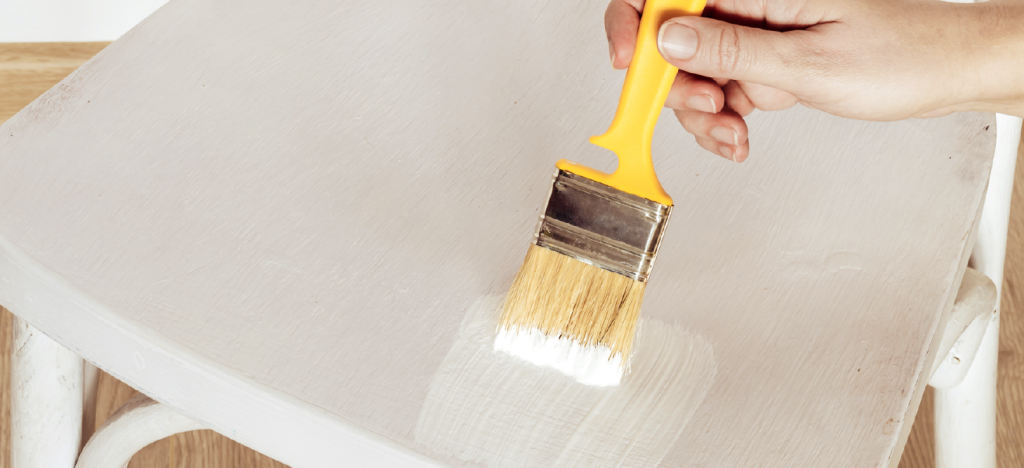
Primer is a product applied before painting that prepares the surface to receive the paint. Its main function is improve adhesionThat is, to help the paint adhere properly to the surface.
Furthermore, it evens out the surface, blocks stains and tannins in the wood, and reduces uneven absorption. This results in a more uniform color, fewer coats of paint, and a much more professional finish.
When is it especially important to use primer?
Primer is key when painting difficult or highly absorbent surfaces, such as untreated wood, melamine, metal, or varnished furniture. It's also highly recommended when changing from a dark to a light color, as it prevents the background from altering the final tone.
In antique furniture or restorations, using primer helps to seal the surface and create a stable base so that the work lasts longer.
One small step that makes a big difference
Applying primer may seem like an extra step, but in reality saves time and trouble In the long term, the paint applies better, the result is more uniform, and the durability of the project increases significantly.
Skipping this step often leads to chipping, stains, or lack of adhesion over time.